



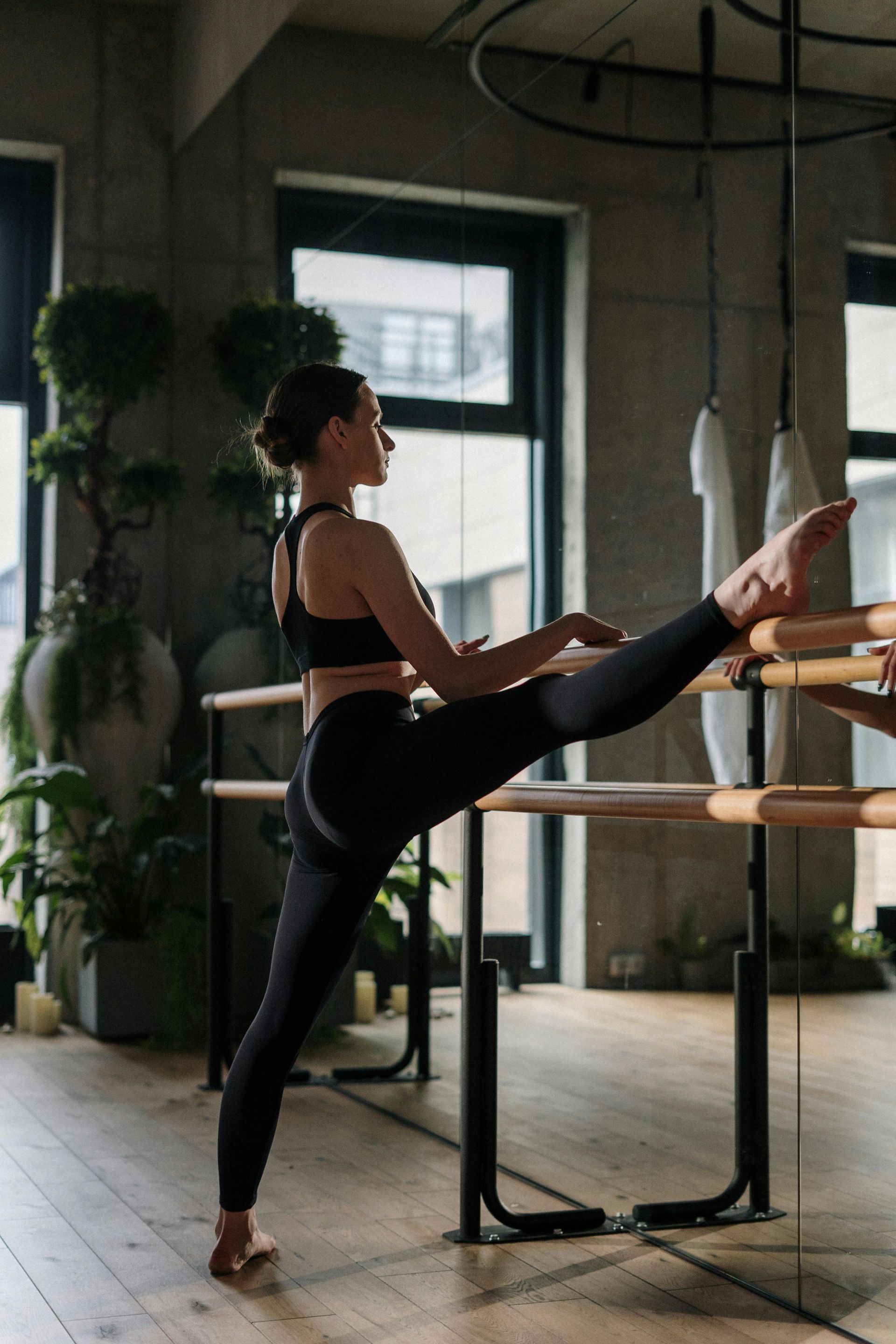
Welcome to the new luxury: your body For decades, luxury was measured by what we owned — cars, watches, houses, vacations. But between 2025 and 2030, a new truth emerges: a healthy body becomes the ultimate symbol of wealth. In an era defined by sedentary lifestyles, screens, and ultra-processed food, maintaining a strong, functional body requires something few people have: Time, knowledge, energy, environment, discipline, and conscious choices. That’s why, by 2030, a well-cared-for body will be rarer… Rarer than a Rolex. From material luxury to biological luxury: a historic shift For most of the 20th century, bodies were naturally active. In Portugal — especially in villages and rural areas — daily life was a choreography of movement: walking, farming, cooking, living outdoors. After the 2000s, everything changed: More sedentary jobs Faster routines Increasingly processed food More time on screens than in nature The result: Portugal (and the entire world) follows the rising epidemic of fatigue, obesity, and chronic stress. According to the WHO, obesity has tripled since 1975, and global metabolic health is collapsing. The OLIVISTIC_Lifestyle was born to respond to this silent crisis. 2025: The real state of fitness and wellness Despite the explosion of gyms, apps, wellness influencers, and biohacking trends, we still face deep structural challenges: Ultra-processed foods that are cheap and accessible Cities designed for cars, not people Remote work that keeps people indoors High stress levels Little contact with nature Lack of fitness communities Disrupted circadian rhythms Poor health literacy Irregular sleep A shortage of natural, biophilic gyms And statistics don’t lie: 3 out of 4 adults don’t move enough. This is why a functional, healthy body becomes a luxury — because it is becoming the exception. 2030: The future of the body as luxury Imagine 2030: More AI More automation More screens Less movement Denser cities Fresh food becoming more expensive Fragile mental health Increased social isolation In this landscape, a healthy, energized body becomes a marker of class — not for aesthetics, but for the energy, discipline, and quality of life it represents. This is where the OLIVISTIC pillars come in: ✔ Natural rhythms ✔ Daily, intentional movement ✔ Nature integrated into everyday life (Biophilic Living) ✔ Simple Mediterranean-inspired nutrition ✔ Sleep as a recovery tool A strong body becomes an act of freedom in a fast world. And an act of wealth in an exhausted one. Influencers leading the Body-as-Luxury movement The new leaders of wellness already reflect this transition: Global Joe Wicks — energy as a source of happiness Natacha Océane — performance rooted in science David Goggins — extreme discipline Mark Wahlberg — consistency as a lifestyle Jennifer Lopez — vitality as aesthetics Dr. Rangan Chatterjee — holistic daily health Portugal Mário Caetano — emotional resilience & mental focus Paulo Teixeira — human performance as lifestyle Margarida Almeida — energy that turns vision into movement Catarina Oliveira — discipline, movement, and purposeful living All of them share one principle: Your body is your biological signature. Why is it so hard to stay in shape — in Portugal and worldwide? ✔ Lack of time ✔ Long work hours ✔ Remote work ✔ Fast, cheap food ✔ Cities without green spaces ✔ Constant burnout ✔ Conflicting information ✔ Disconnection from nature This leads to an urgent need for a new paradigm: Biophilic Living. Biophilic Living - OLIVISTIC’s answer to modern life Reintroducing nature, light, fresh air, and biological rhythms into daily life is no longer a luxury — it’s essential. Science proves: Natural light improves mood and hormones Indoor plants reduce physiological stress Walking regulates metabolism Nature exposure enhances focus By 2030, daily access to nature will become an urban privilege. How this will affect daily life by 2030 More fatigue Less focus More chronic disease Overloaded healthcare systems Greater inequality in well-being Increasingly sedentary children The body becomes a precious — and increasingly rare — asset. Where to begin? | OLIVISTIC_Lifestyle in practice 1. Biophilic Micro-Habits Walk outdoors Seek morning natural light Add plants to your home Eat fresh, simple meals 2. Natural Movement + Gym Short functional workouts Mobility + strength Daily walking Sleep as the foundation of performance 3. Technology as an ally Training apps Educational content Mindfulness Simple tracking tools 4. Realistic routines Hydration Home-cooked meals Sleep consistency Weekly sustainable goals Every small choice builds energy. Every habit brings vitality back. Conclusion: The body will be the new luxury by 2030 External symbols will continue to exist - but the real luxury will be internal : Energy Presence Mental clarity A regulated nervous system Functional strength Active longevity When you see someone with calm vitality, remember: that person carries their own wealth. The question now is simple: Will you join the new luxury - or let the modern world drain your energy? Your body isn’t just the new luxury. It is the future.
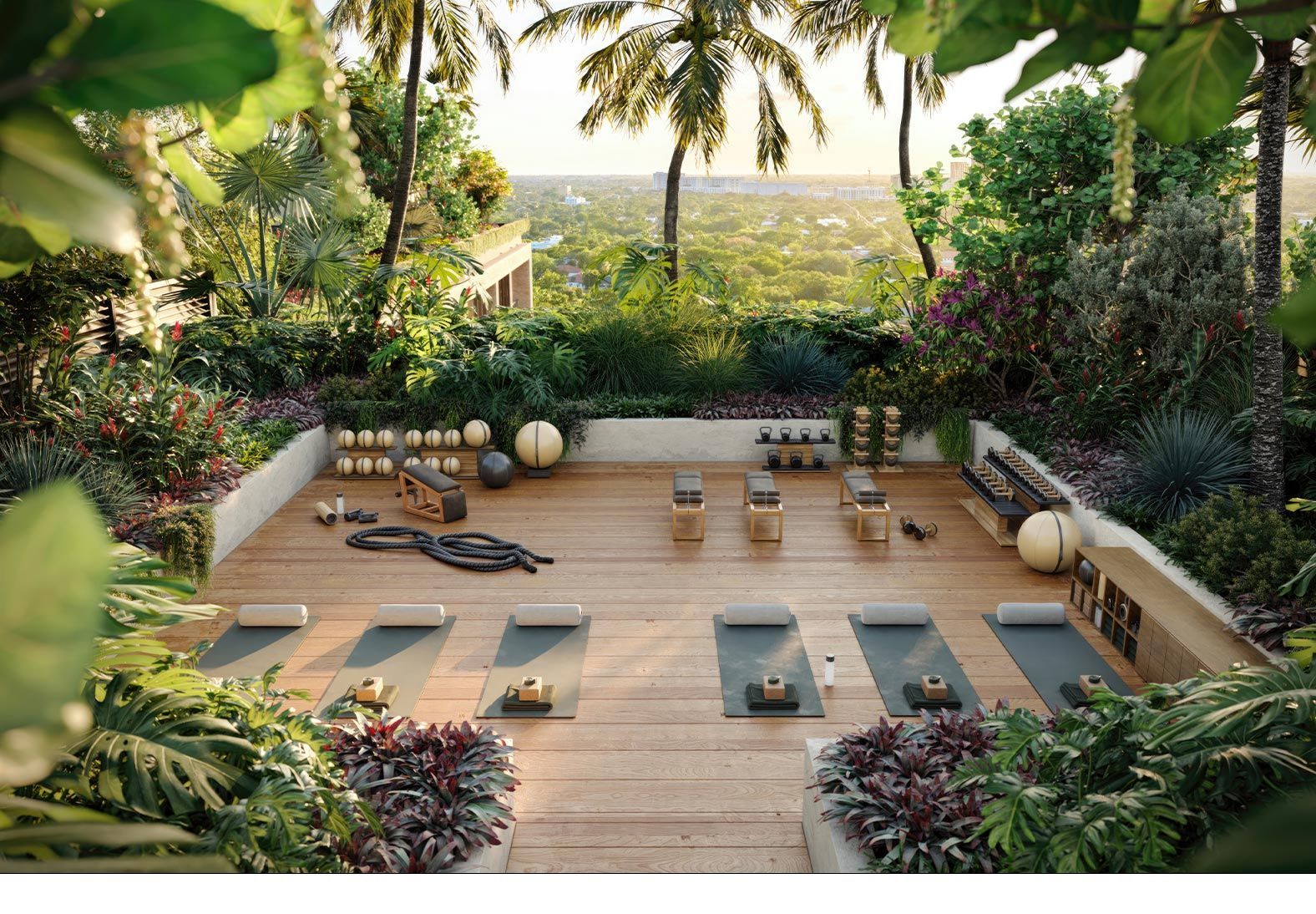
A Biophilic Gym is a wellness ecos ystem for physical, mental, and environmental regeneration. Every detail — from wood materials to sunlight and plants — is designed to foster calm, focus, and connection with nature. Many biophilic gyms include natural spa and natural food facilities too. The Olivistic Concept - Regenerative Health and Movement OLIVISTIC creates spaces where movement, design, and nature meet. The Biophilic Gym is more than a fitness space — it’s a holistic health retreat inspired by biophilic design and regenerative living. Mission We believe the future must be built in harmony with nature. Every OLIVISTIC environment blends sustainability, natural materials, and innovation to promote balance and vitality. Vision To lead a transformation toward a conscious, regenerative lifestyle — where humans and nature coexist in perfect symbiosis. What We Do Biophilic Real Estate: Developing and transforming properties with deep ecological integration. Biophilic Hotels and Resorts: Sustainable hospitality infused with light, natural materials, and energy efficiency. Biophilic Gyms and Lifestyle Spaces: Wellness hubs connecting body, mind, and nature. Consulting and Partnerships: Helping investors and brands lead the green transition. Our biophilic gyms have: Functional and natural movement equipment Contrast therapies (sauna, ice baths, infrared) Recovery and meditation gardens Biophilic architecture rooted in the local landscape The result is a new kind of biophilic wellness experience — where fitness becomes a ritual of reconnection between health, environment, and purpose.

A Living Monument on the Island of Crete

Adding a biophilic natural pool to a real estate project isn’t just an aesthetic choice — it’s a strategic move aligned with the growing Biophilic Real Estate movement, where architecture, nature, and well-being merge to create soulful, balanced, and sustainable spaces. 1. What Is a Biophilic Natural Pool A natural pool, also known as a biopool, is a chemical-free swimming system that uses natural processes to keep water pure and crystal clear. Inspired by aquatic ecosystems, it relies on filtering plants, mineral substrates, and beneficial microorganisms to maintain harmony — turning your backyard into a living private lake. Key features: No chlorine or harsh chemicals — just biological balance. Two zones: one for swimming and one for regeneration, with aquatic plants filtering and oxygenating the water. Natural water filtration through biofilters, UV filters and wetlands with aquatic plants. Organic integration with the surrounding landscape and architecture. It’s more than a pool — it’s a fusion of architecture, landscaping, ecology, and holistic well-being, symbolizing the new era of sustainable luxury. 2. Real Benefits — Lifestyle and Property Value Biophilic natural pools offer tangible advantages for both users and investors focused on sustainable real estate. For residents and guests: Natural, skin-friendly, and respiratory-safe water. A deeper sensory connection with nature that enhances relaxation and presence. The feeling of bathing in a private lake surrounded by peace and harmony. A biodiverse micro-ecosystem that attracts birds, butterflies, and dragonflies. For property owners: Lower operating costs and no chemicals. Minimal maintenance once the ecosystem stabilizes. Unique market differentiation, especially in premium segments. Long-term property value appreciation and a powerful sustainability narrative. 3. Biophilic Design in Real Estate Integrating a biophilic natural pool aligns your property with the global philosophy of biophilic design — an approach that reconnects humans with nature through architecture, materials, and sensory experiences. In real estate, this evolves into biophilic resorts and wellness-focused developments that combine sustainability, beauty, and holistic health. Conclusion Including a biophilic natural pool is not just about design — it’s about redefining how we live. In this new paradigm, nature itself becomes the ultimate luxury.
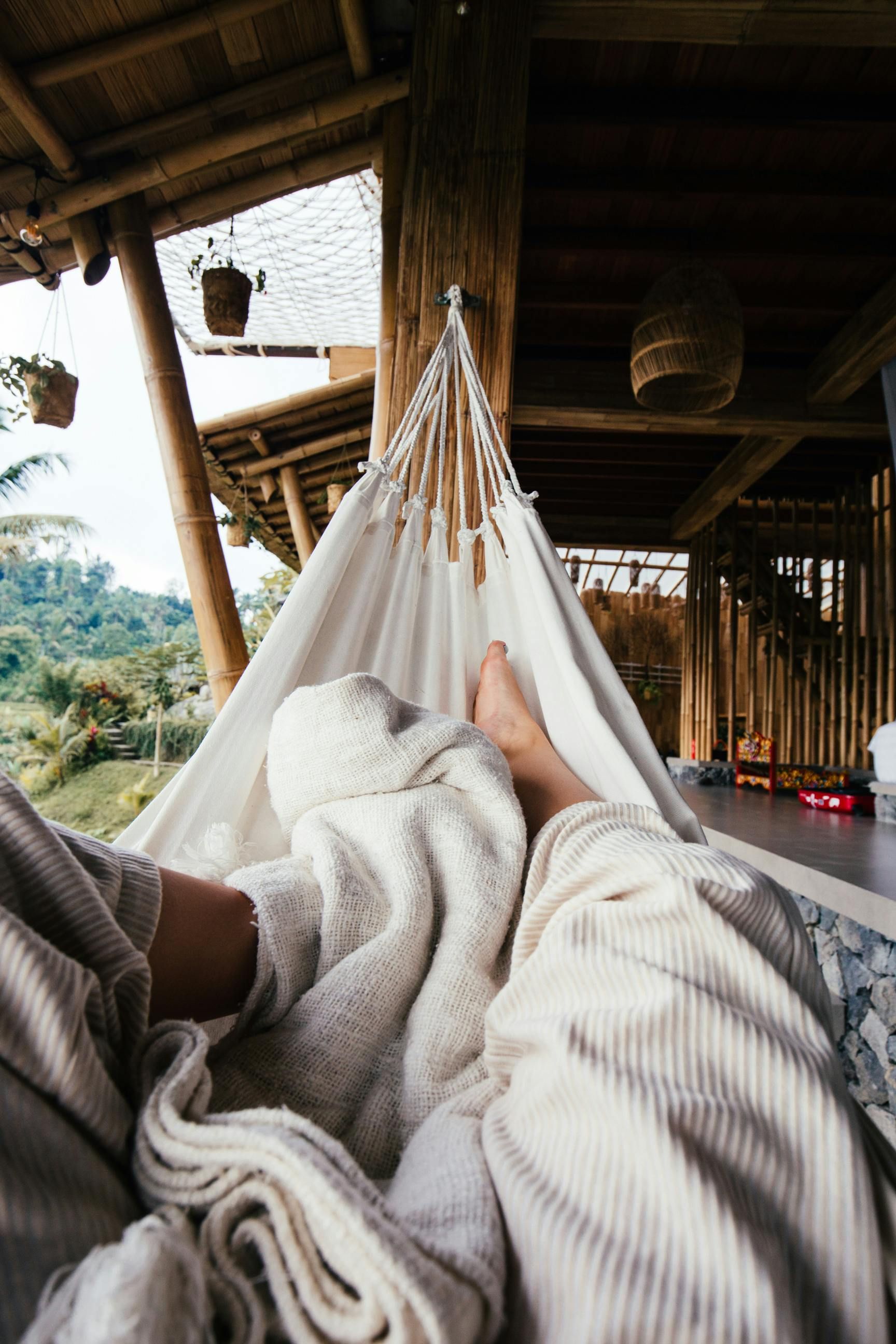
In 2025, the future of wellness travel is about more than luxury or escapism. It’s about hospitality leading the charge in helping people build and sustain healthy habits . Top-tier tourism now centers on combining nature‑integrated design, mindful movement, nourishing food, and eco‑sensibility to foster long‑term well‑being. Biophilic gyms, regenerative lodging, natural nutrition, and outdoor immersion are now core strategies for destinations committed to real health transformation. Wellness Travel Market on the Rise The global wellness tourism market is booming. It’s projected to grow from $895.09 billion in 2024 to $974.59 billion in 2025 , reflecting a CAGR of 8.9% (source: thebusinessresearchcompany.com ). This rapid expansion underscores a growing demand for wellness experiences that support healthy, sustainable habits. 1. Regenerative Hotels & Resorts: Designed for Habit-Forming Wellness Leading resorts are going beyond restorative design — they’re actively regenerating well-being . Spaces filled with greenery, daylight, and organic materials become intentional tools that encourage daily wellness habits, from stress‑reducing morning routines to mindful unwinding at day’s end. 2. Nature-Inspired Gyms That Support Sustainable Fitness Biophilic gyms are reshaping the fitness travel experience. With natural light, verdant elements, and textured materials, they make exercise feel energizing, calming, and sustainable. Travelers return home with not just memorable workouts, but lasting exercise habits rooted in mindfulness and joy. 3. Farm-to-Table & Natural Food for Lifelong Nutrition Nutrition is a daily habit—and wellness travel now prioritizes it. Destinations offering local, seasonal, and minimally‑processed meals help visitors adopt nourishing patterns that continue beyond their stay. Cooking workshops, foraging walks, and chef-led nutrition talks reinforce a lifelong connection to healthy eating. 4. Outdoor Immersion as Habit-Building Ritual Wellness travel is increasingly grounded in nature‑rooted daily rituals . Guests practice forest bathing, open‑air yoga, or guided hiking, reconnecting them with rhythms that ease stress and elevate mood. These immersive habits are more than experiences - they’re habits travelers carry into their everyday lives. 5. Sustainability as the Foundation of Healthy Lifestyles Sustainably minded wellness travel encourages habits that benefit both people and planet. Eco‑friendly practices—plastic‑free dining, renewable energy, regenerative landscapes - reinforce values that inspire guests to adopt more conscious lifestyles, long after the trip ends. Conclusion Wellness travel in 2025 is about more than a one-time escape—it’s about cultivating lifelong health habits within tourism. From regenerative architecture to nutritious food, biophilic gyms, and immersive nature , forward-looking hospitality isn’t just serving experiences—it’s serving sustainable well-being.
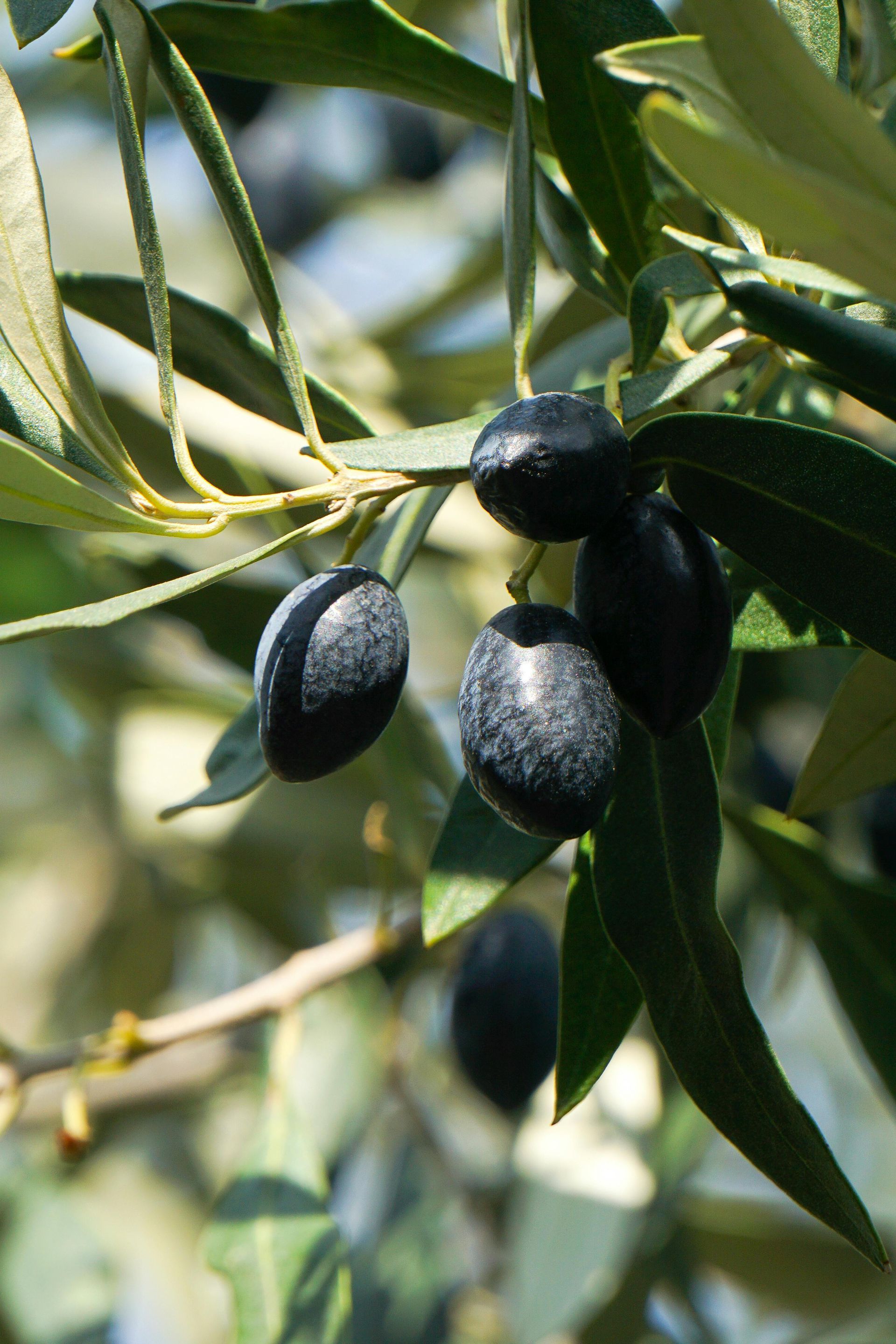
Longevity isn’t just about adding years to life — it’s about adding life to years. Science increasingly shows that our connection with nature is a powerful factor in how long, and how well, we live. The biophilic lifestyle brings nature into daily life through design, travel, fitness, and even food. By weaving natural environments into how we live, move, and eat, we can foster vitality, resilience, and a longer, healthier future. 1. Stress Reduction and Heart Health Chronic stress accelerates aging and weakens the heart. Biophilic living — whether through natural home design, greenery-rich gyms, or mindful outdoor activities — helps regulate stress and blood pressure. These restorative effects protect cardiovascular health over the long term. 2. Sleep and Recovery from Natural Rhythms Exposure to natural light during the day and calming, plant-rich environments at night supports circadian rhythms. Whether in a biophilic bedroom, on a wellness retreat, or during mindful travel, these rhythms improve sleep quality, which is a key factor in longevity. 3. Nutrition as Part of the Biophilic Lifestyle Food connects us deeply to the natural world. Embracing farm-to-table dining, local seasonal produce, and minimally processed natural foods provides the body with nutrient-dense fuel for healthy aging. A biophilic approach to nutrition not only supports physical health but strengthens our ecological awareness and connection. 4. Biophilic Travel for Longevity Travel experiences that integrate nature — such as forest bathing, ocean swimming, mountain hiking, or staying in biophilic resorts — help reduce stress, enhance mood, and encourage physical activity. These activities improve mental and physical resilience, making travel itself a tool for healthy aging. 5. Sustainable Habits That Last a Lifetime The true power of the biophilic lifestyle lies in its sustainability. By making nature a consistent part of daily routines — whether through diet, movement, or mindful travel — people are more likely to maintain long-term healthy habits. This consistency is what drives longevity. Conclusion The biophilic lifestyle is more than design; it’s a holistic approach to long life and health . By combining natural environments, conscious travel, and natural food with fitness and mindfulness, it addresses the foundations of longevity: lower stress, better sleep, stronger immunity, and sustainable well-being.
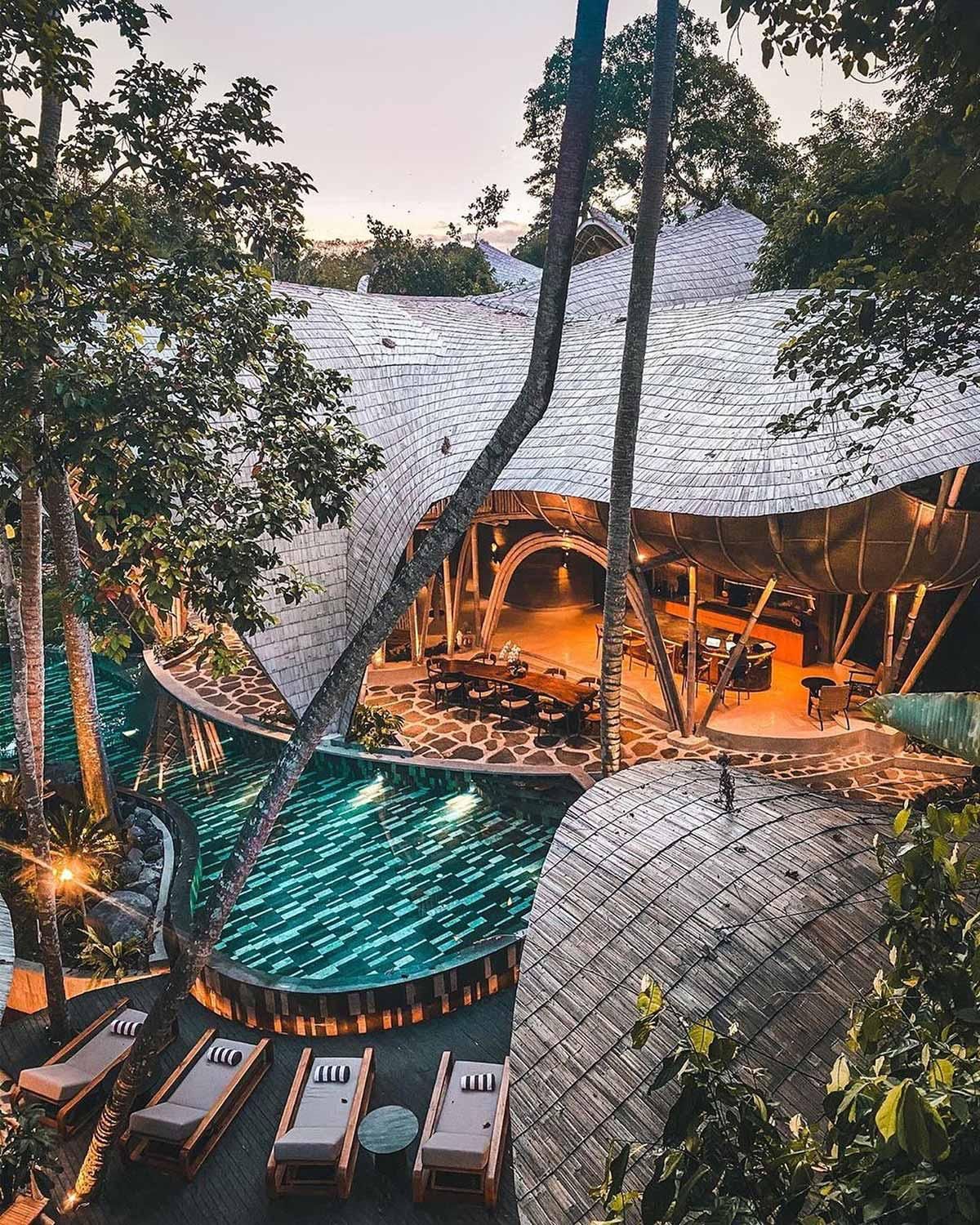
Wellness travel is one of the fastest-growing segments of global tourism, and luxury hotels are leading the way in offering experiences that go beyond relaxation. One innovation that sets forward-thinking properties apart is the integration of biophilic gyms . By blending fitness with nature-inspired design, hotels not only exceed guest expectations but also position themselves as leaders in holistic wellness. 1. Enhancing Guest Satisfaction Travelers increasingly seek more than just a gym with equipment — they want an immersive experience. A biophilic gym’s natural materials, greenery, and daylight create a serene environment that reduces stress and makes workouts genuinely enjoyable. This enhances guest satisfaction and builds lasting loyalty. 2. Differentiating Luxury Wellness Offerings Competition in the luxury hospitality market is intense. By incorporating biophilic gyms, hotels showcase their commitment to health and sustainability. This unique feature differentiates them from traditional resorts, making their wellness packages more appealing to high-value travelers. 3. Aligning with Holistic Wellness Goals Health-conscious travelers are drawn to spaces that complement their lifestyle choices. Biophilic gyms align seamlessly with holistic wellness, supporting both physical vitality and mental clarity. Guests can maintain their fitness routines while also engaging in mindfulness, yoga, or restorative movement practices. 4. Encouraging Longer, More Enjoyable Workouts Guests who might otherwise skip workouts during their stay often find biophilic gyms motivating. The calming ambiance encourages longer exercise sessions, leading to sustained health benefits even while traveling. This positions the hotel as a true partner in their guests’ wellness journey. 5. Building a Reputation for Sustainable Wellness Sustainability has become a key factor for wellness travelers. Biophilic gyms, built with natural materials and eco-conscious design, showcase a property’s environmental responsibility. Hotels that embrace this trend appeal to the growing demographic of travelers who want their wellness choices to align with their values. Conclusion Biophilic gyms are more than an amenity — they are a statement of luxury, wellness, and sustainability. For hotels, they provide a competitive edge; for guests, they create unforgettable, health-centered experiences that resonate long after check-out.
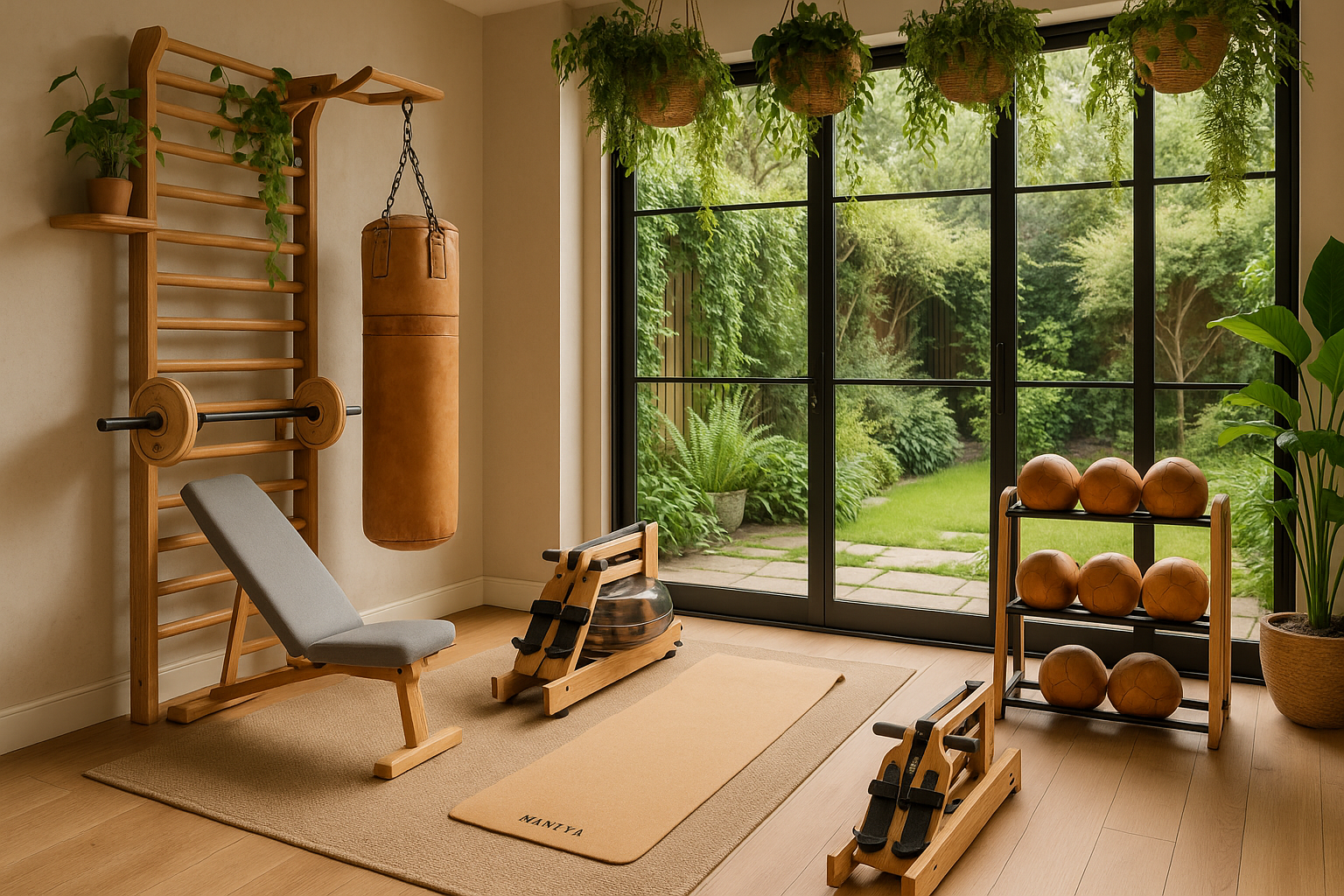
When it comes to fitness, the environment plays a bigger role than most people realize. Traditional gyms often feel artificial, crowded, and uninspiring. Biophilic gyms, on the other hand, combine the power of exercise with the regeneration and calm of nature. By weaving in natural materials, plants, and daylight, they not only make workouts more enjoyable but also deliver tangible physical health benefits. 1. Improved Circulation and Cardiovascular Health The calming atmosphere of a biophilic gym lowers stress and blood pressure, creating the ideal setting for heart-healthy exercise. Combining aerobic activity with a serene, nature-inspired space encourages longer, more effective workouts that improve circulation and overall cardiovascular strength. 2. Faster Muscle Recovery Natural light exposure supports Vitamin D synthesis, which plays a role in muscle repair and bone health. Combined with reduced stress levels and better oxygen flow in calming environments, biophilic gyms help the body recover faster after strength training or intense cardio. 3. Increased Endurance and Energy Unlike conventional gyms that can feel draining, biophilic gyms energize users. The presence of greenery, fresh airflow, and natural textures reduces fatigue and promotes vitality. This encourages longer training sessions and sustained energy levels throughout the day. 4. Boosted Immune System Contact with biophilic environments has been linked to stronger immune responses. Training in gyms that embrace nature helps the body regulate stress hormones while improving sleep quality — two key factors for keeping the immune system strong and resilient. 5. Long-Term Sustainable Health Habits Because biophilic gyms make exercise more pleasant, users are more motivated to stick with their fitness routines. This consistency is the foundation of long-term physical health, preventing lifestyle diseases and supporting healthy aging. Conclusion Biophilic gyms redefine the workout experience by merging physical training with nature’s healing properties. From faster recovery and boosted energy to long-term health sustainability, they offer more than just a workout — they provide a pathway to holistic physical wellness.
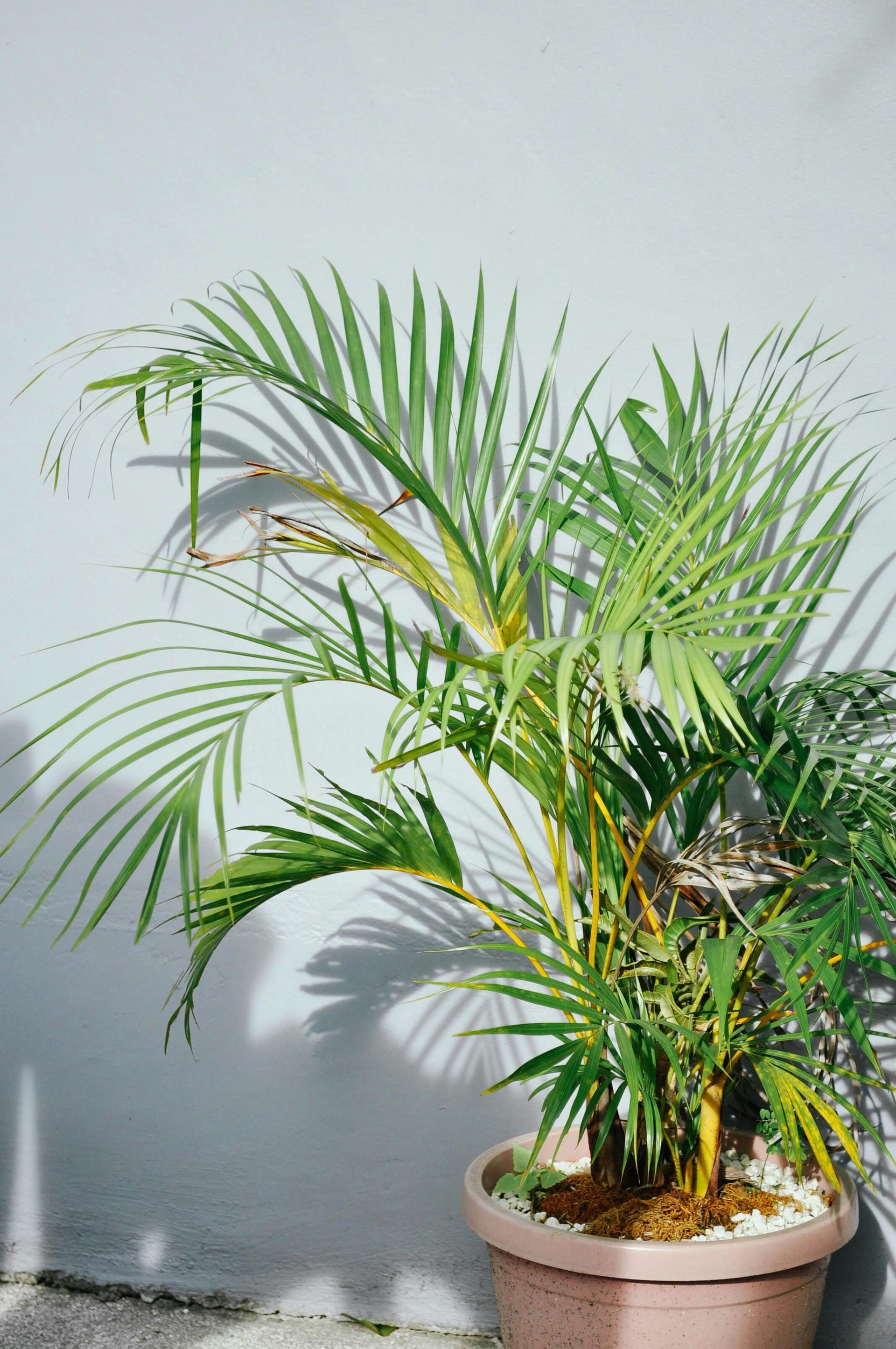
Modern life is fast-paced, and stress has become an everyday reality. Biophilic gyms, however, offer a powerful antidote by blending nature with fitness. By incorporating natural materials, plants, and daylight, they create an environment that nurtures both body and mind. Beyond the obvious physical benefits of exercise, these spaces elevate mental health, reduce stress, and promote mindfulness. 1. Stress Reduction Through Nature-Inspired Design Training in a biophilic gym can lower cortisol levels — the hormone linked to stress. Elements like wood, cork, leather, and living plants create a calming atmosphere that helps users feel grounded. This natural ambiance fosters a sense of peace that traditional gyms often lack. 2. Mental Clarity and Focus Natural light and greenery enhance cognitive function by stimulating the brain in positive ways. Studies show that people exposed to nature-inspired environments report better concentration and creativity. In a biophilic gym, this translates into more mindful workouts and improved focus on form, breathing, and movement. 3. Mood Enhancement and Emotional Balance Nature has long been linked to mood elevation. A workout surrounded by natural textures and organic design elements supports emotional balance and encourages the release of endorphins. The result is not just a stronger body, but a lighter, more positive state of mind. 4. Supporting Mindfulness Practices Mindfulness and exercise go hand-in-hand, and biophilic gyms provide the perfect setting to combine the two. With a calm, nature-infused atmosphere, users are more likely to engage in mindful breathing, meditation, or yoga, deepening their connection between mind and body. 5. Long-Term Mental Health Benefits Consistently exercising in biophilic environments may contribute to long-term mental resilience. Reduced anxiety, improved emotional stability, and enhanced overall well-being are lasting benefits that go beyond the workout session itself. Conclusion Biophilic gyms are more than a fitness trend — they’re a lifestyle choice that prioritizes holistic well-being. By easing stress, boosting focus, and fostering mindfulness, they address the mental challenges of modern life while making workouts enjoyable and restorative.